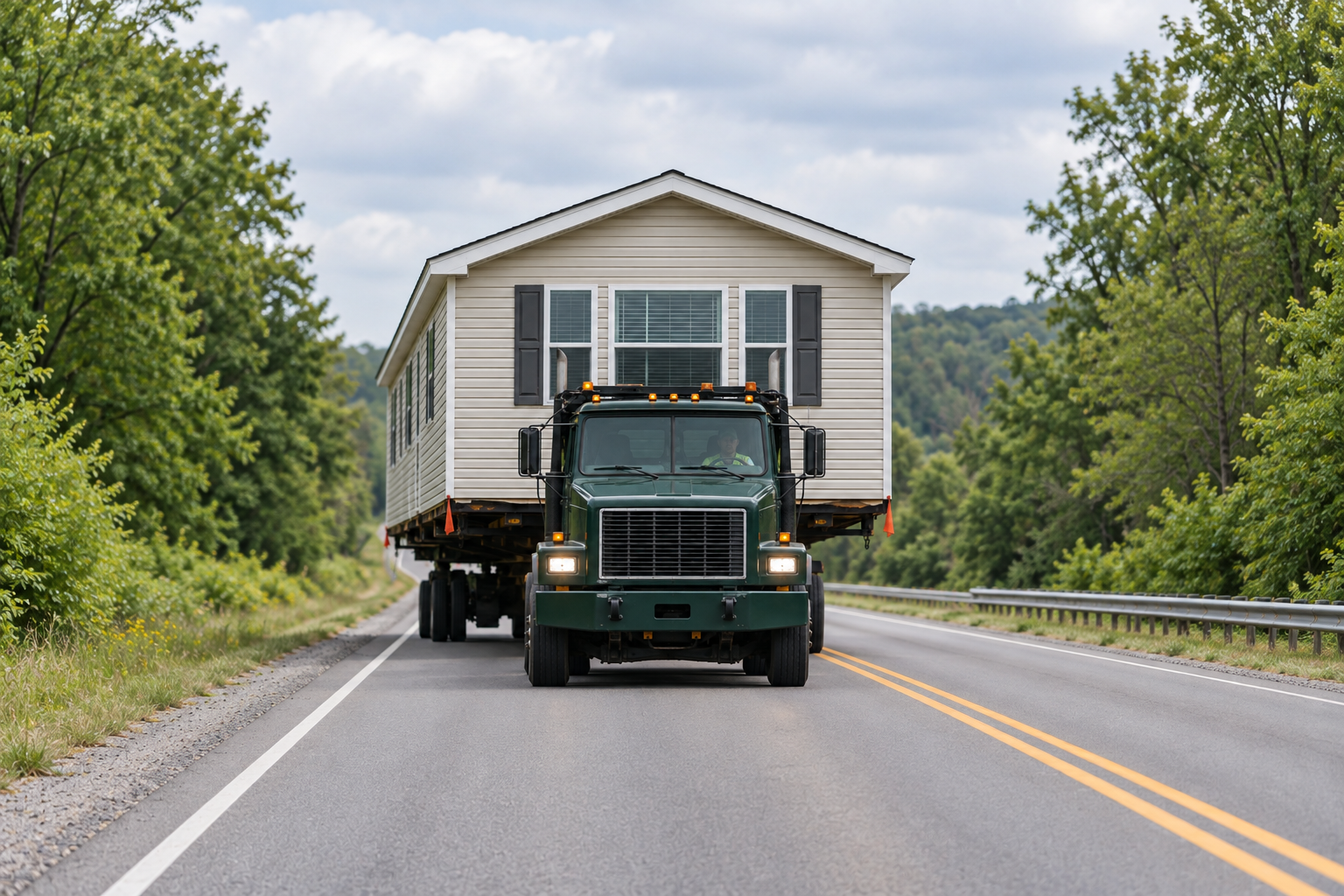
Moving a mobile or manufactured home is a coordinated transport project, not a normal household move. The basic sequence is to confirm the home can be relocated, verify the destination, collect dimensions and condition details, choose a qualified transporter, plan permits and routing, prepare the structure, move it, then complete the required setup and inspections at the new site.
Condition, construction, destination rules and route feasibility should be checked before dates are promised.
Zoning, park rules, installation requirements and access can stop a move even when the home itself is transportable.
For interstate motor carriers, FMCSA's SAFER system lets you review company identification and safety-related records.
Can a mobile home be moved?
Identify whether it is a single-section or multi-section manufactured home and whether the frame, running gear and structure are suitable for transport.
Confirm the property or community will accept the home and that installation requirements can be met.
Check whether an oversize route can connect the pickup and delivery sites without incompatible clearances or access problems.
Decide whether you need transport only or additional teardown, setup, utility or installation services from qualified providers.
The mobile home moving process
Verify the new site first
Check zoning, community acceptance rules, lot access, foundation or support requirements, utility availability and any local installation approvals. A mover cannot solve a destination that is not legally or physically ready for the home.
Build a quote brief
Gather the pickup and delivery locations, section count, approximate length, width and height, photos, home condition, desired dates and the services you want included.
Check the transporter
Ask about experience with manufactured-home transport, insurance, permits, escorts and the exact work included. For interstate operations, use FMCSA resources to check the company record rather than relying only on advertising claims.
Plan permits and routing
Oversize movement is controlled by the authorities responsible for the roads on the route. The transporter should plan the legal path, permit sequence, travel restrictions and any required escort vehicles.
At this point, the mover should have enough facts to price the route
If the destination is confirmed and you know the home configuration, origin and delivery location, you can request a move-specific transport quote.
Prepare the home
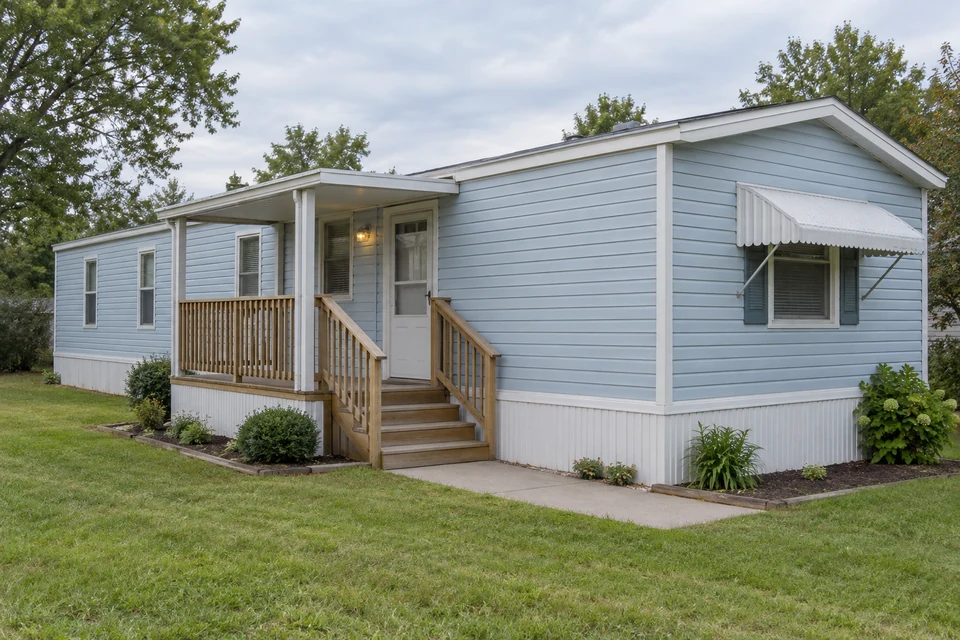
Typical preparation can include removing skirting and exterior attachments, disconnecting utilities through qualified trades, securing interior items and checking the chassis, tires, axles and hitch components used for transport.
Prepare both access points
Clear vehicles and obstacles, identify tight turns, slopes, soft ground, gates, tree limbs and overhead utilities, and make sure the transport equipment has room to enter, position and leave.
Move under the approved route
The transport phase follows the permits and route restrictions issued for the load. Multi-section homes are handled as separate transport sections rather than as one joined house.
Complete setup and inspection
Placement, leveling, anchoring, reconnection, marriage-line work and final inspections are separate scopes that must be performed to the requirements that apply at the destination. Confirm who is responsible for each one before transport begins.

Mobile home moving checklist
Before requesting quotes
- Confirm destination acceptance
- Identify single-wide, double-wide or other section count
- Measure or locate reliable home dimensions
- Photograph the home and both access routes
- List the services you expect beyond transport
Before move day
- Confirm permits and approved route
- Confirm utility disconnections
- Remove or secure exterior attachments
- Clear pickup and delivery access
- Confirm who handles setup and inspections
What can you do yourself?
| Task | Owner can prepare | Qualified provider usually needed |
|---|---|---|
| Documents and photos | Yes | Review may still be needed |
| Clearing personal items and access | Often | Heavy or structural work should be coordinated |
| Utility disconnection | Do not assume | Use the properly qualified trade required locally |
| Oversize permits and routing | Rules vary | Usually coordinated by the transporter or permit specialist |
| Transport | No | Specialized transport equipment and qualified operators are required |
| Setup and anchoring | Do not assume | Installation rules vary by jurisdiction and program |
Verify the destination and access before paying for transport. A home can be roadworthy and still be rejected by the destination property, blocked by site constraints, or delayed by permit and installation requirements.