
A mobile or manufactured home move in Cincinnati should be planned around both the property access and the roads the load will use. Cincinnati DOTE requires an Excess Load Right of Way Permit for oversized or overweight movement within or through city right-of-way, while Ohio separately regulates over-dimension movement on state highways. A useful quote therefore needs the exact origin, destination, home dimensions and likely route.
City right-of-way can require an excess-load permit tied to the vehicle, load and requested route.
Ohio issues special hauling permits for over-dimension or overweight movement on roads under state jurisdiction.
Narrow streets, turns, slopes, trees, overhead lines and staging room can matter as much as highway mileage.
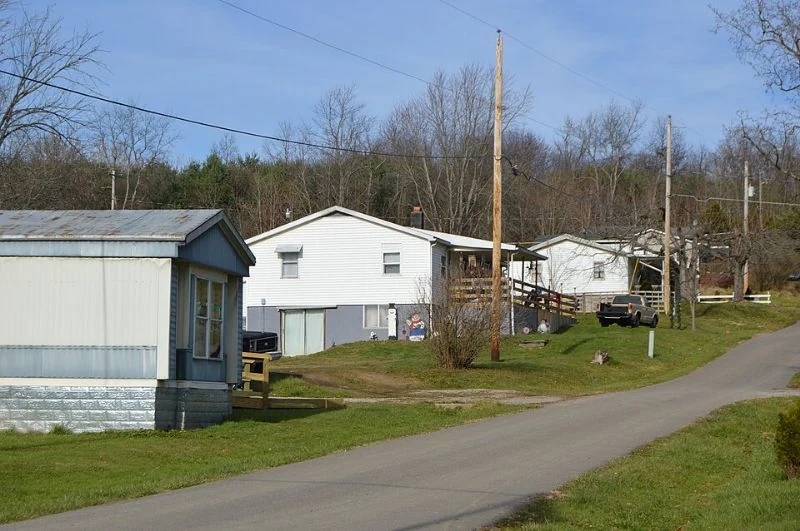
What permits can affect a Cincinnati mobile home move?
| Road or jurisdiction | Planning question |
|---|---|
| Cincinnati city right-of-way | Does the load need a city Excess Load Right of Way Permit, and what route will DOTE review? |
| Ohio state highway system | Does the vehicle or load exceed normal dimensions or weight and require a state special hauling permit? |
| Other local roads | Will county, township or another municipality have authority over part of the route? |
| Interstate move | What additional state permits and route rules apply after the load leaves Ohio? |
What Cincinnati asks for on an excess-load application
The city's published application asks for details such as the power unit, license information, overall dimensions, axle information, load weight, vehicle weight, gross weight, requested route and start date. That is a useful checklist for homeowners because it shows why "Cincinnati to another city" is not enough information for permit planning.
Length, width and height affect oversize status and route feasibility.
The application ties the permit to the actual transport combination.
The route is part of the permit review, not an afterthought.
Request a Cincinnati quote with route-ready details
Have both addresses, the home configuration, approximate dimensions and access photos ready. That gives the transport provider a better starting point for permits and pricing.
Pickup and delivery access can be the hard part
Can the transport combination enter and leave without blocking or clipping parked vehicles and curbs?
Sharp neighborhood turns can be more restrictive than the main highway route.
Tree limbs, wires and other overhead obstacles should be identified before move day.
Soft or sloped ground can limit where heavy transport and setup equipment can work.
The crew may need space to position the toter, sections and support equipment.
The delivery site should be confirmed before the home is committed to transport.

Cincinnati quote checklist
Home details
- Single-wide, double-wide or other section count
- Approximate length, width and height
- Home condition and transport history if known
- Photos of the exterior and undercarriage area
Route details
- Exact pickup and delivery addresses
- Photos of streets, gates and tight turns
- Known overhead or access restrictions
- Preferred dates and schedule flexibility
Local move vs. interstate move
| Planning item | Local Cincinnati-area move | Interstate move |
|---|---|---|
| City permit review | May apply if the route uses Cincinnati right-of-way | May still apply at the origin or destination inside the city |
| Ohio hauling rules | Can apply on state-controlled roads | Apply to the Ohio portion of the route |
| Other states | Usually not part of the route | Each additional state can add its own permit and routing requirements |
| Distance | Lower mileage does not remove access or permit complexity | Longer line-haul adds time, fuel and multi-jurisdiction coordination |
No. Distance by itself does not determine whether a permit is required. The load dimensions, weight and roads used determine which city or state requirements apply.