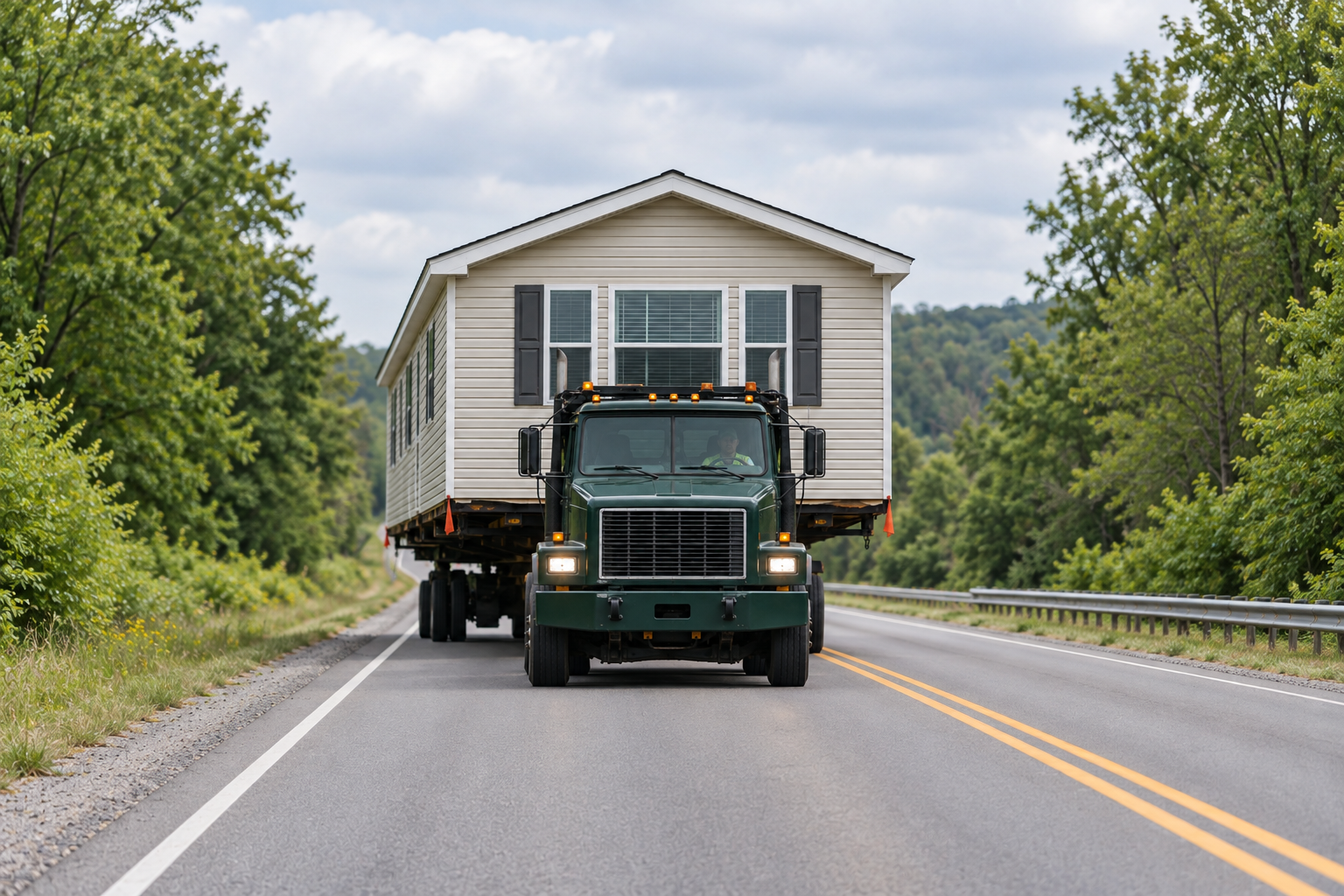
Moving a mobile or manufactured home in Ohio usually requires planning around the exact route, home dimensions and the roads under each jurisdiction. ODOT issues Special Hauling Permits for over-dimension movement on the state highway system, while local streets, county roads and the Ohio Turnpike can require separate authority. Wind, weather and route conditions can also stop an otherwise permitted move.
Over-dimension movement on Ohio state highways can require a Special Hauling Permit tied to the route and load.
ODOT permission does not automatically authorize county roads, township roads, local streets or the Ohio Turnpike.
ODOT permit conditions restrict movement of mobile homes when wind conditions exceed stated limits.
What makes an Ohio mobile home quote useful?
Single-wide, double-wide or multi-section configuration changes equipment, permits and the number of transport movements.
Length, width and height determine whether the load is over legal dimensions and what route restrictions may apply.
The pickup and delivery locations determine which state and local road authorities are involved.
Driveway width, turns, trees, wires, slopes and staging room can change the equipment and labor plan.
How Ohio permit responsibility is split
| ODOT state highways | Special Hauling Permit rules apply to qualifying over-dimension movement on ODOT-controlled roads. |
|---|---|
| County or township roads | Permission must come from the authority responsible for roads outside the state highway system. |
| City streets | A city may impose its own route approval or permit requirements for an oversize move. |
| Ohio Turnpike | Turnpike permission is separate from an ODOT Special Hauling Permit. |
Get an Ohio transport quote
Send the Ohio home configuration, both addresses, travel dimensions and access details so the transport provider can price the actual route instead of a generic mileage estimate.
Why the route can change the price
Tight turns, parked vehicles and limited staging space can add planning even when highway mileage is modest.
Narrow roads, soft shoulders and private-drive conditions can limit where a toter and support equipment can work.
Utilities, branches and signs can force a different approach to the site.
A permit does not override unsafe wind, road or weather conditions.
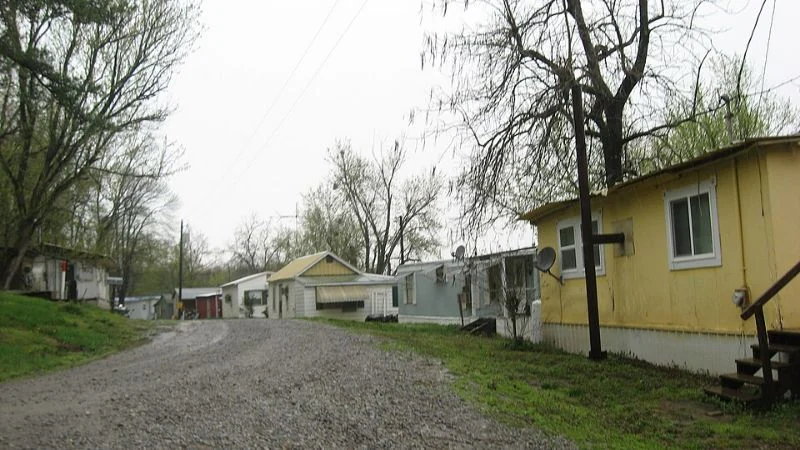
What to verify before move day
- Confirm the home is transportable and the running gear is suitable for the move
- Confirm the permitted route matches the actual origin and destination
- Verify any local-road permissions beyond the ODOT route
- Recheck access at both properties after recent construction or weather
- Keep schedule flexibility for wind, weather or traffic-related restrictions
When an Ohio move can be delayed or rerouted
Unsafe wind, weather, traffic or road conditions can stop movement even when the permit itself is valid. ODOT also requires the permittee to follow the exact approved route.
A route that leaves an ODOT highway for a county road, township road, city street or the Turnpike can add another permission step. That can affect scheduling and the mover's administrative work.
Compare the same home dimensions, same origin and destination, same permit responsibility and same site-access assumptions. Otherwise a lower price may simply exclude work that the other proposal includes.
No. ODOT expressly places responsibility on the permittee to obtain permission for county roads, township roads, local streets and the Ohio Turnpike when those roads are part of the route.