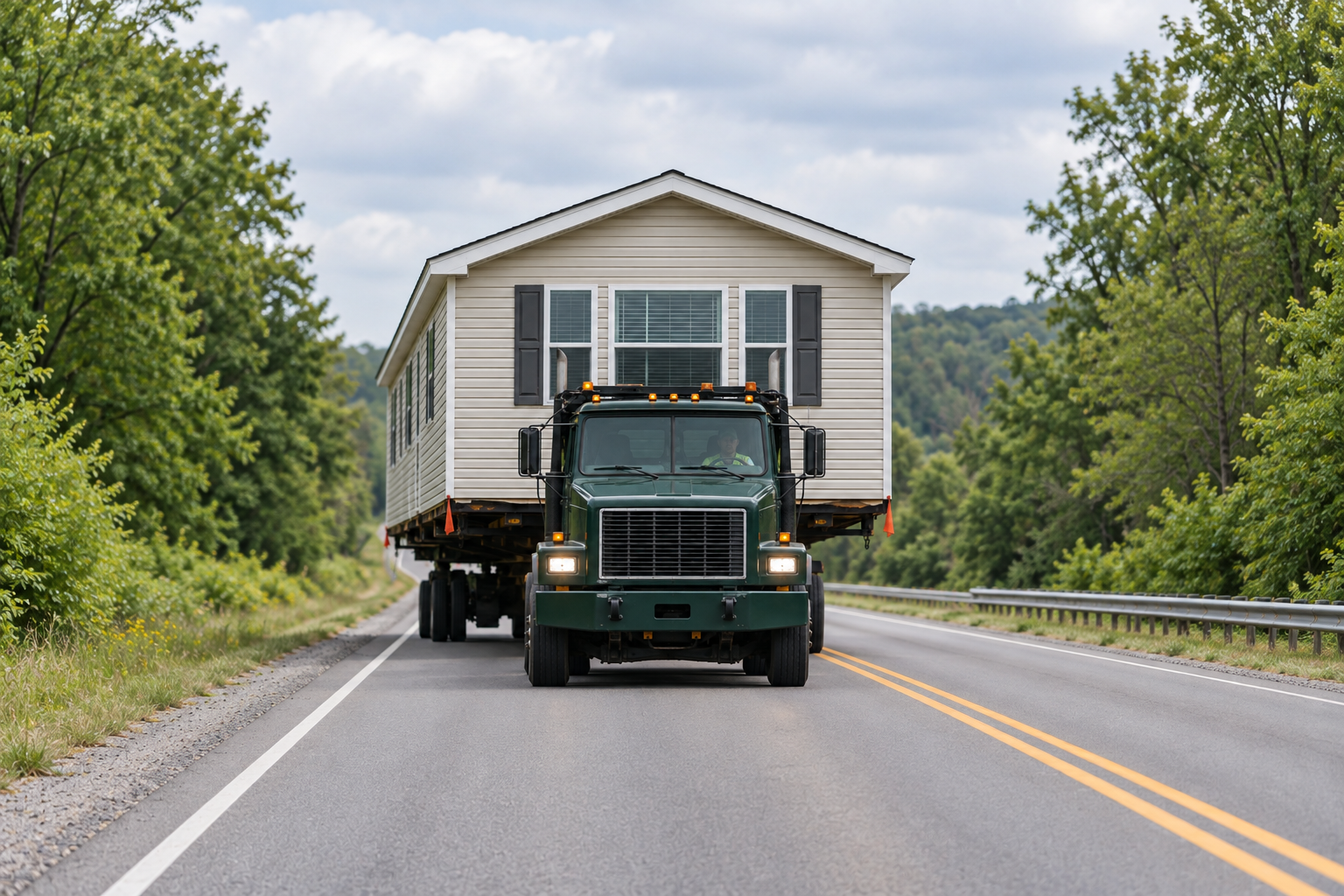
West Virginia requires hauling permission for mobile-home transport on its public roads. Ask the hauler whether its single-trip or blanket category covers the actual load, and confirm the power unit associated with any blanket permit.
Check the width before relying on a blanket permit
The WV DOT permit types page lists Mobile Home Single Trip limits of 16 feet in width, 15 feet 6 inches in height, 110 feet for the combination and 80 feet for the home. The mobile-home blanket category has a 14-foot width limit with the same listed height and length limits.
For example, a home reported as 15 feet wide would not fit that 14-foot blanket width limit. The larger single-trip limit still does not guarantee approval for your particular route. Have the transporter establish the actual measurements and applicable permission rather than choosing a permit solely from a sales description.
The blanket permit belongs to a power unit
WV DOT describes the blanket permit as issued to a specific power unit. The WV DMV mobile/manufactured homes page also states the hauling-permit requirement for movement on public roads within West Virginia.
Ask which vehicle the hauler expects to use and who will check permit coverage if dispatch substitutes another one. This is a useful question when a booking is made well before the departure date. Keep the provider's written confirmation with the scope of the haul, rather than assuming a company-wide permit covers every truck and home combination.

Request a West Virginia transport quote
Share the home details, both addresses and available dates. Ask the provider to confirm the transport scope and any route-dependent allowances.
Quote the entire combination and delivery access
Label the home length separately from any total length estimate. Send the provider identification records, dimensions for each section and photographs of the entrances at both ends. Disclose known changes to the tongue, roof or running gear so it can determine what inspection is needed.
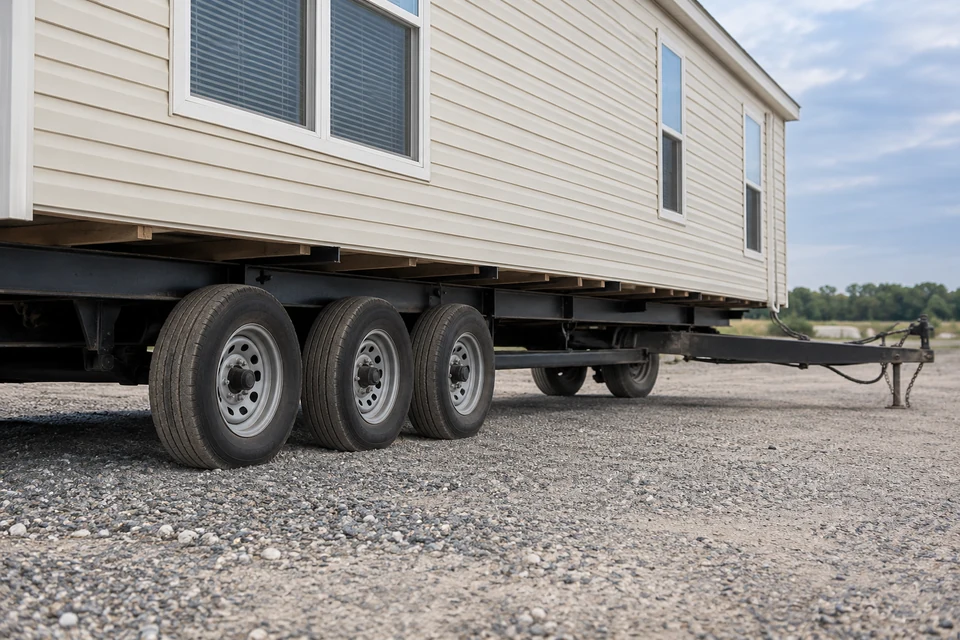
Request a breakdown of included permit handling, any escorts and conditional route-related costs. Ask when the provider can confirm a departure and what happens commercially if it must postpone. If there is a deadline to leave the property, bring that into the initial discussion rather than adding it after the equipment is booked.
Set a receiving contact and agree where the road-transport responsibility ends. The quote request covers hauling, not installation, utility connections or site preparation. Separate those arrangements explicitly so the provider and the owner have the same understanding of what delivery will accomplish.