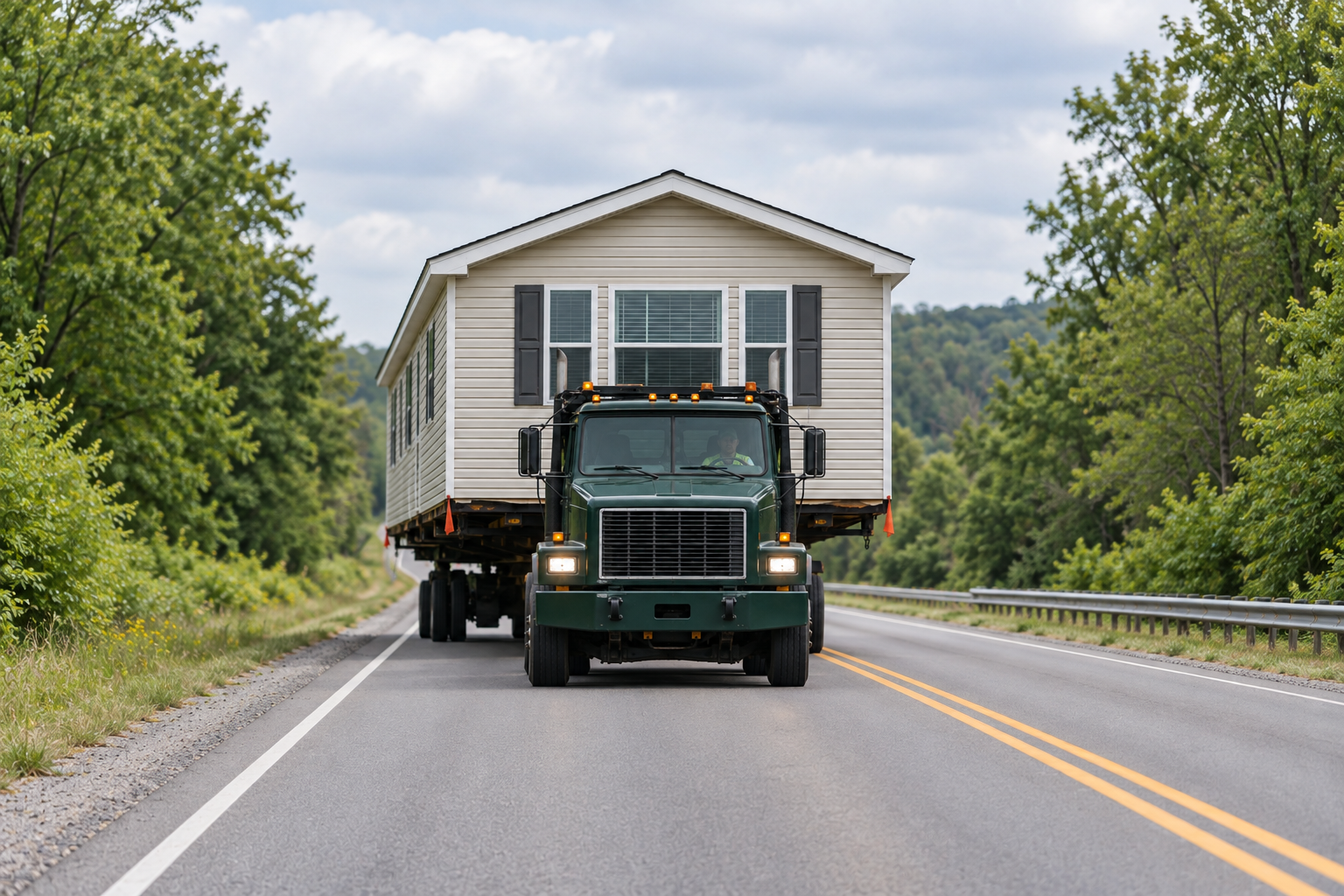
Have the carrier prepare the actual Sacramento street route and loaded vehicle information for the city’s transportation permit review. The Citizen Portal handles applications, payment, review and issuance, but submitting the application or paying the fee is not the same as receiving an issued permit.
The Citizen Portal supports application, payment, review and issuance. A submitted or paid application is still not an issued permit.
Sacramento examines the proposed route and vehicle load. Use the actual street connection, not only the names of two cities.
Separate the Sacramento street segment from the rest of the journey when asking the carrier which permissions are outstanding.
Know what the city is reviewing
The Sacramento transportation permit page describes transportation permits for loads exceeding the city’s listed dimensions. It provides the portal, application guidance, restrictions and a truck-route map. Have the carrier use those resources for the proposed combination. A route that works for a passenger vehicle is not evidence that it is suitable for a manufactured-home section.
| Stage | What to establish |
|---|---|
| Details prepared | The proposed city streets and loaded vehicle information match the move being quoted. |
| Application submitted | The carrier has a submission to track. Do not use that status as a dispatch instruction. |
| Fee paid | Payment has been handled, but the route and load review still need to result in issuance. |
| Permit issued | The carrier has checked the issued document and applicable conditions against the intended trip. |
Ask the provider which of these stages is complete when it proposes a pickup date. If review is unfinished, ask how the provisional date will be confirmed and what happens if the proposed movement changes. This is especially useful when pickup and delivery involve different people who might otherwise assume the other side has cleared the trip.
Identify the Sacramento street connection
Provide the carrier with the precise pickup and destination addresses and the home’s loaded dimensions. Ask how the proposed city route will be submitted and which permissions remain outstanding.
Build a route brief that reaches the right entrance
- Name the exact origin and destination, including a lot or unit reference where relevant.
- Mark the intended driveway or entrance and show its connection to the street in photographs.
- Give the number of traveling sections and the home information available to the carrier.
- Flag a changed address, different truck or revised section dimensions before relying on earlier application details.
- Ask who will communicate any required route change to the driver and receiving contact.
Do not choose a detour yourself because it looks shorter on a map. Tell the carrier about the constraint and ask it to resolve the movement. Likewise, a truck-route map is a planning resource; it does not replace the conditions that apply to the permitted load.
Keep the city segment visible in the wider quote
Ask which city streets connect the property to the next part of the trip. This defines the segment being discussed with the city.
Ask the carrier to identify permissions for state-controlled or other local roads actually used. A Sacramento application does not settle the whole journey.
Compare the same job when prices arrive
Request the hauling price against the same addresses, sections and delivery assumptions. Have the provider identify permit handling and any conditional charges in writing, including what would change if the approved route differs from the initial plan. A low starting figure is difficult to compare when one proposal stops at the property entrance and another assumes additional positioning.