
Establish the receiving site's review path before settling a delivery date. Boise distinguishes block-and-tie manufactured-home installations from homes placed on permanent foundations. That distinction concerns the destination; it does not replace the transporter's road-permit planning.
Block-and-tie
The city's workflow uses an administrative branch without plan submittal, while allowing additional review.
Permanent foundation
This receiving arrangement follows the new-residential review path rather than the shorter branch.
Electronic intake
Use the current portal and workflow; older counter-submission wording does not define the current intake.
Which Boise review path fits the receiving site?
The Boise manufactured-home workflow routes permanent-foundation projects through new-residential review. Block-and-tie applications follow an administrative process without plan submittal. The workflow still allows additional review and documents, so that shorter branch is not an assurance of immediate approval.
| Destination arrangement | Question to resolve before delivery |
|---|---|
| Block-and-tie | Has the applicant identified the correct manufactured-home application and received the applicable city decision? |
| Permanent foundation | Has the receiving project followed the residential review path, with the required plans? |

Discuss the Boise delivery handoff
Provide both addresses and the home configuration. Describe the receiving project's status so the provider can identify transport assumptions.
Keep the application and the transport offer aligned
The Boise destination submittals checklist describes the destination documentation; the Boise permit portal provides the current electronic intake. Ask the property owner or destination contractor which application covers the actual address. A permit for another space in the same community is not evidence for your proposed placement.
Send the mover the same destination address, section count and proposed handoff used by the receiving team. If that team changes the location or foundation arrangement, ask whether the access plan or timing assumptions in the transport offer need revision.
Define where the haul ends
Get a written description of where the transporter will leave each section and who receives it. Keep foundation work, anchoring, inspections and utility connections in the separately agreed receiving scope. For the highway leg, use the Idaho transport guide to discuss dimensions and running gear with the carrier.
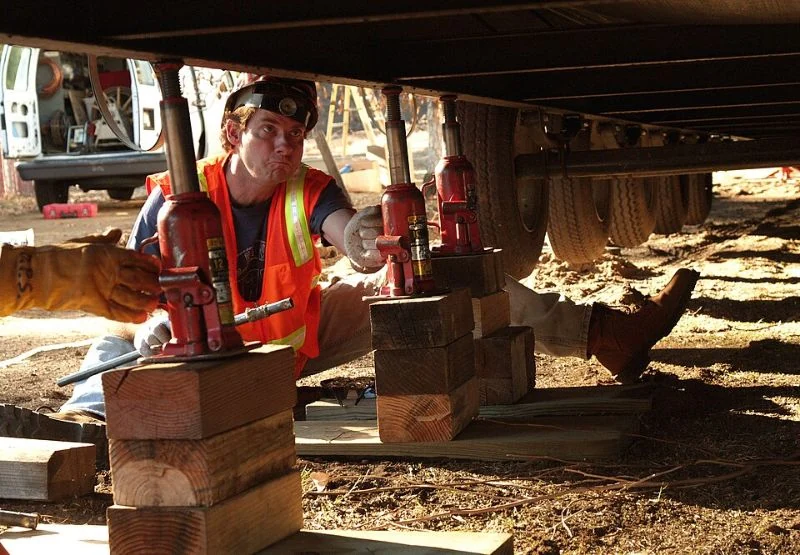
Confirm the receiving handoff
- Match the application address and intended receiving space to the transport quote.
- Identify the block-and-tie or permanent-foundation arrangement used by the receiving applicant.
- Record who will accept each section and where the carrier's delivery responsibility ends.
- Tell the transporter about a changed foundation arrangement or receiving position before it relies on the earlier access and timing assumptions.