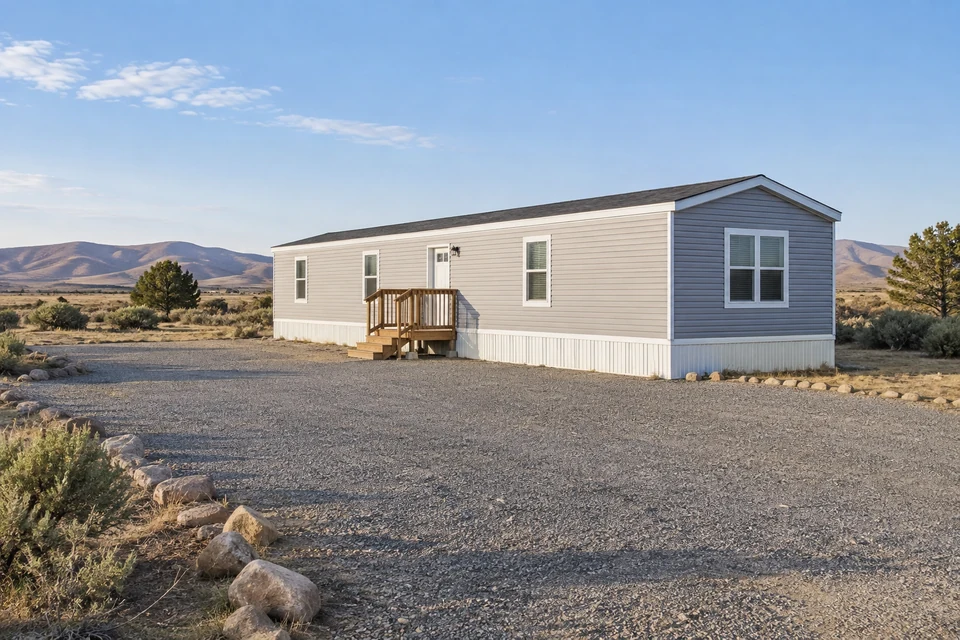
Tucson publishes a dedicated mobile-home permit and a city route-review process. Have the transporter identify the municipal streets and any ADOT roads in the proposed journey before it confirms the movement plan.
Use the mobile-home category
The street-use code distinguishes it from single-trip and envelope permits.
Easy C has a road boundary
ADOT's Easy C mobile-home permission applies to ADOT roadways; other roads need their own jurisdiction check.
Bring the proposed route to the city review
Under the Tucson load-permit process, paperwork goes to Tucson Police and the proposed route is reviewed by the Department of Transportation and Mobility. A copy of the state oversize permit is requested when the route includes state roads. The city then communicates its decision; submitting paperwork is not permission to depart.
- Identify the actual pickup and delivery addresses, including the intended entrances.
- Ask the carrier which streets its transport combination would use.
- Confirm who is responsible for the municipal application and who tracks the decision.

Request a Tucson route-based quote
Share the two addresses, section dimensions and entrance details. Ask the provider to identify city and state permit responsibilities.
Use the mobile-home category
The Tucson street-use code distinguishes mobile-home permits from single-trip and envelope permits. Ask the carrier to confirm the category for your home instead of assuming that a permit used for another oversized load covers this movement.
On the state-road portion, the ADOT Class C permits guidance explains that its Easy C mobile-home permission applies to ADOT roadways. The carrier must also check the jurisdictions responsible for other roads. Keep these approvals attached to the actual proposed journey when comparing offers.
Check the final approach before fixing the handoff
Share photographs of visible gates, turns and overhead obstacles at both properties. Ask how a changed entrance or street route would affect the transport proposal. Any city movement approval concerns travel; it does not establish that the destination is approved for placement or occupancy. Agree separately who prepares the receiving site and takes responsibility after delivery.