
If a Nashville home move will stage a trailer or occupy public space, list each activity for NDOT. Its guidance says work involving multiple right-of-way permit types may qualify for a unified permit. Ask the permits office which filing applies and use ePermits for the application.
Name each public-space activity
Trailer placement, loading-zone occupation and lane or sidewalk closure are different NDOT categories.
Ask about a unified filing
NDOT says an operation involving multiple right-of-way permit types may qualify for a unified permit.
The Nashville temporary street closure and occupancy guidance separates lane, street, bike-lane and sidewalk closures from trailer placement and loading-zone occupation. A trailer parked in public right of way and a closure beside it may raise different permit questions. Describe both instead of selecting a category from the move’s name alone.
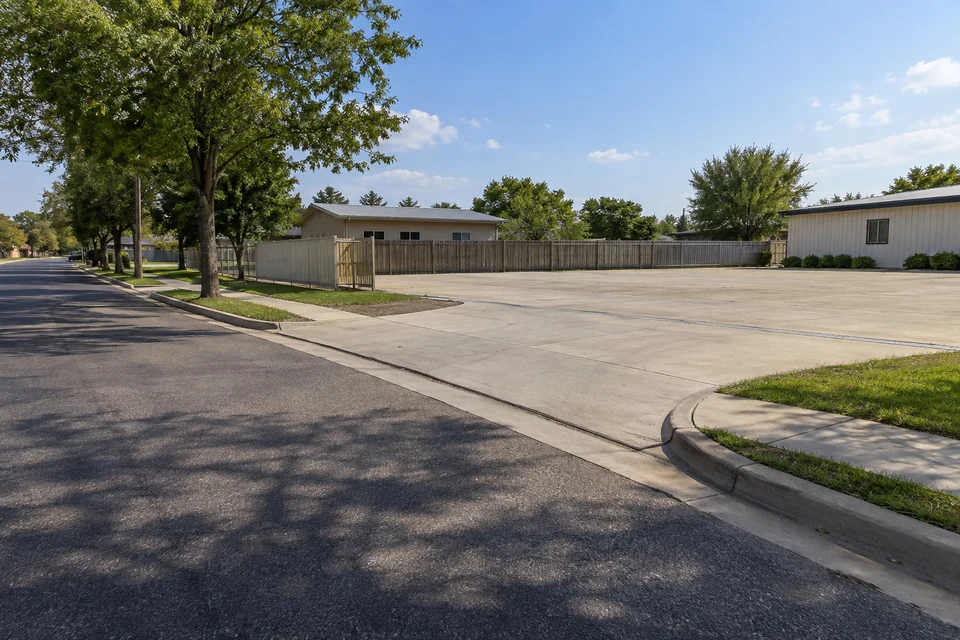
Map the occupied space around the delivery
Give the carrier the Nashville destination and a description of the trailer position, loading area and any affected travel space. Identify who will handle the NDOT application and traffic-control arrangements.
Match traffic planning to the space actually affected
NDOT directs applicants to its traffic-control guidance and calls for an appropriate plan when the standard layout does not reflect the closure. Have the carrier or traffic-control provider describe the actual position and affected movements for review.
These questions concern the proposed use of public space. Keep the receiving property’s installation arrangements separately identified, and communicate the issued public-space conditions to everyone planning the delivery.