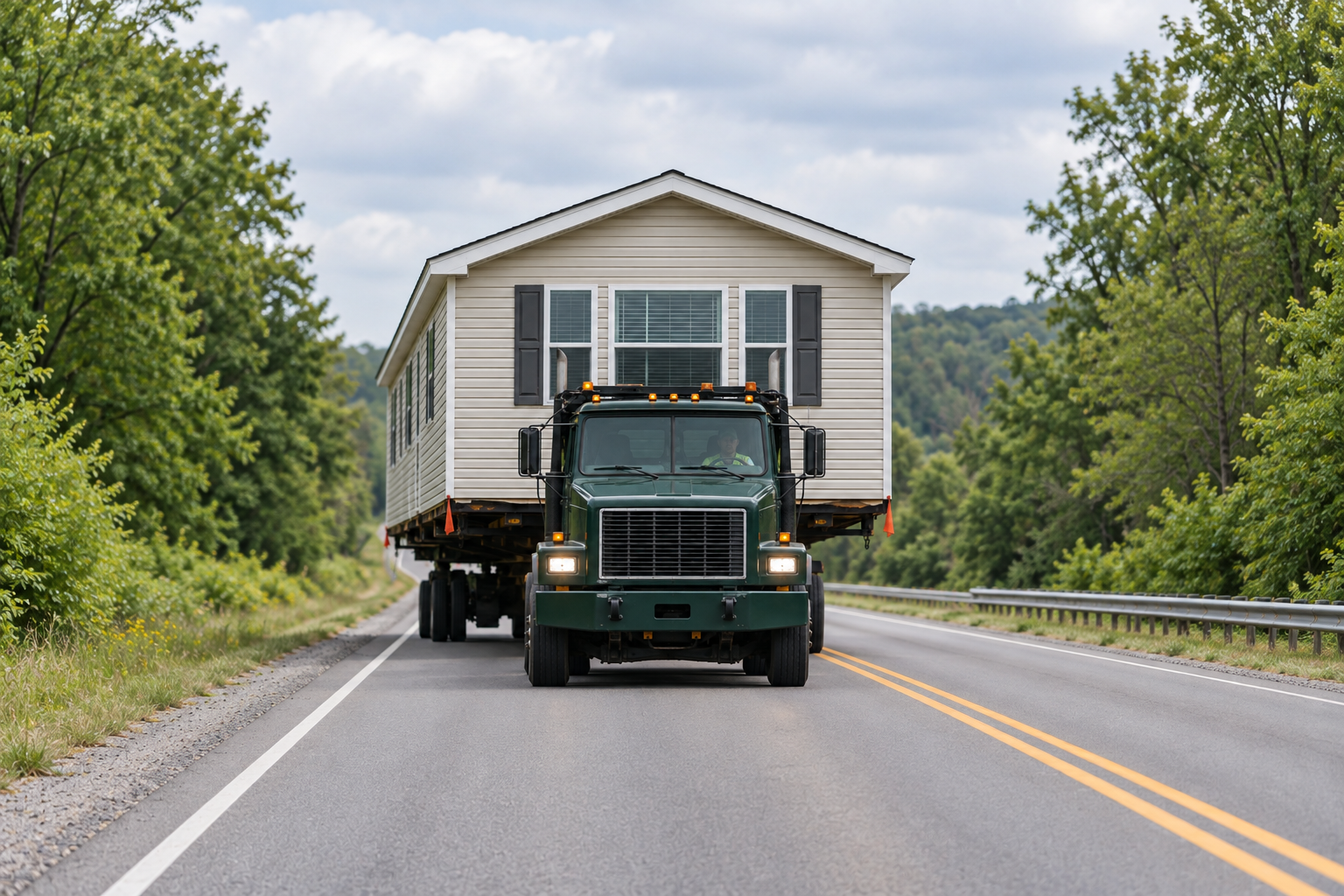
Have the carrier check Longview’s commercial truck route rules against the planned equipment. For a business destination off the network, city guidance allows departure at the intersection nearest the destination and return to the truck route nearest the truck’s current location. Assess the actual home load before choosing that approach.
Which trucks the guidance covers
The commercial network guidance concerns goods-transport trucks with more than two axles.
Nearest-intersection exception
For an off-network business destination, departure is at the nearest intersection and return is nearest the truck's current location.
The Longview commercial truck route guidance applies the truck network to goods-transport trucks with more than two axles and describes the destination exception. It does not make every neighborhood street an interchangeable shortcut.
Trace both the arrival and return
Start with the Longview commercial truck route map. Ask the carrier to identify the proposed point of departure from the network, the route to the receiving property and the point of return. That gives the owner and driver a shared description of the last leg rather than just a street address.

Show the carrier the off-route destination
Provide the Longview receiving address, pickup point and loaded home dimensions. Flag the connection from the truck route to the property so the carrier can assess the final turns and access.
A truck route is one part of load planning
The network identifies the city’s truck-routing framework. It does not establish that a particular manufactured-home section clears an overhead obstruction or can negotiate the receiving turn. Supply the carrier with actual dimensions and access observations so those issues can be assessed together with applicable movement permits.